
Journal · ALBARIZA DE LA TORRE
What food goes with white wine?
· Albariza de la Torre
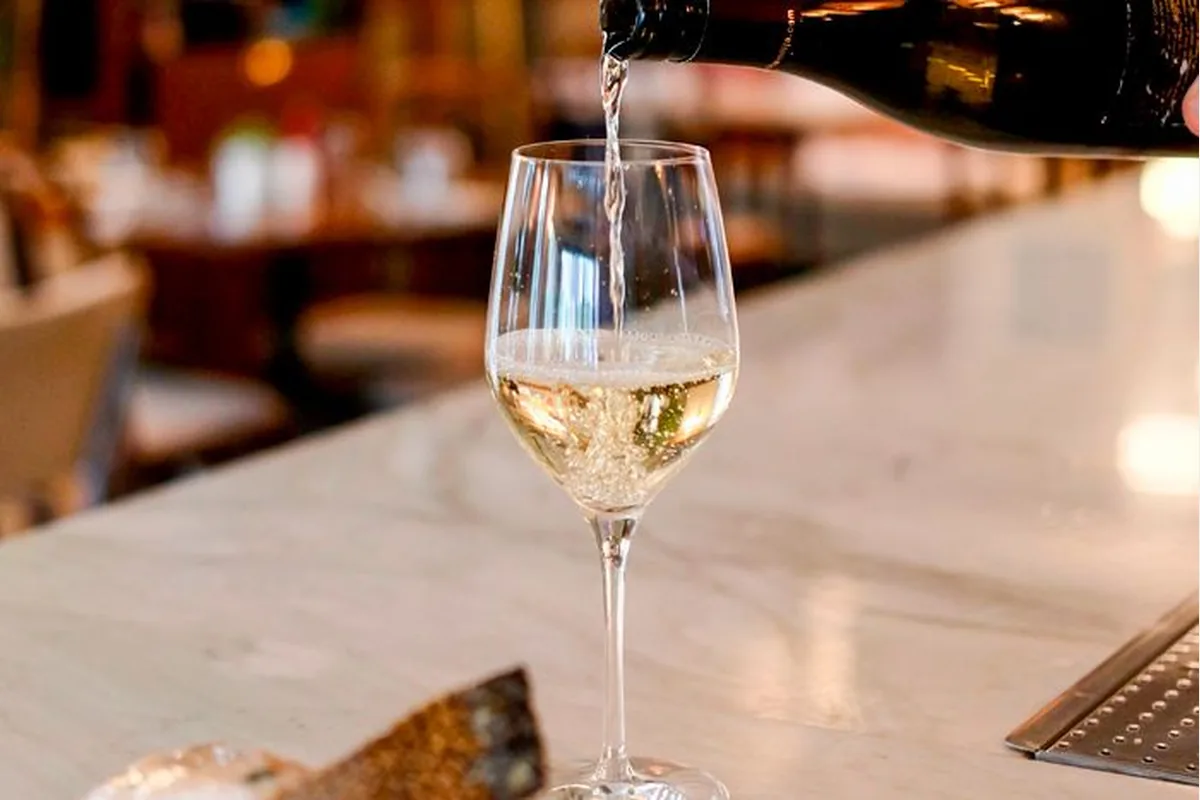
A good pairing brings wine and food together so that both taste better. There are no fixed rules: your preferences matter, as do the ingredients, the way a dish is cooked and the character of the wine.
Three things to consider
- Intensity: delicate dishes usually suit subtle wines, while richer food can stand up to more structure and aromatic complexity.
- Texture: a light, young white and an oak-aged white offer very different experiences. Match the weight of the wine with the weight of the dish.
- Aromas: citrus notes can echo a squeeze of lemon on grilled fish. Similar flavours can create harmony, while contrasts can be equally interesting.
White wine as an aperitif
A chilled, dry white is a natural partner for lighter appetisers. Sparkling wines also suit shellfish and raw seafood. Fino and Manzanilla offer another direction, particularly with cured ham, nuts and savoury tapas.
Pairing ideas for the table
- Shellfish: prawns, clams and razor clams can work well with dry whites. Steamed mussels are worth trying with a fresh, aromatic style.
- Fish: consider both texture and fat. Salmon or tuna may suit a fuller white; delicate white fish often benefits from a lighter wine. Sauces, seasoning and cooking methods can change the pairing considerably.
- Poultry and white meat: a white with some body can accompany roast or braised dishes. A more intensely seasoned recipe may need a wine with greater freshness and presence.
- Vegetables: a fresh, dry white can accompany a vegetable soup or cream. Think about the main ingredient and its dressing rather than applying a single rule to all vegetables.
- Cheese: explore mature cheeses with barrel-fermented whites, creamy cheeses with balanced, fuller wines, and sparkling whites with savoury or blue cheeses. The cheese's salt, acidity and texture all matter.
- Rice dishes: light, dry whites with fruit aromas can complement paella and other rice dishes without dominating them.
- Salads: a fresh, youthful wine can echo their lighter character. Pay particular attention to acidic dressings.
- Desserts: choose a sweeter style that complements the dessert. Fruit, nuts and cream each suggest different combinations.
Young whites and aged whites
Young whites are often fresh and lively. Ageing on lees or in barrels can bring complexity and a broader texture, making a wine suitable for smoked food, mature cheese or richer poultry dishes.
White wine is not always lighter or simpler than red wine. Some whites have the structure to become the centre of a pairing. Use these ideas as a starting point, then explore the combinations you enjoy most.